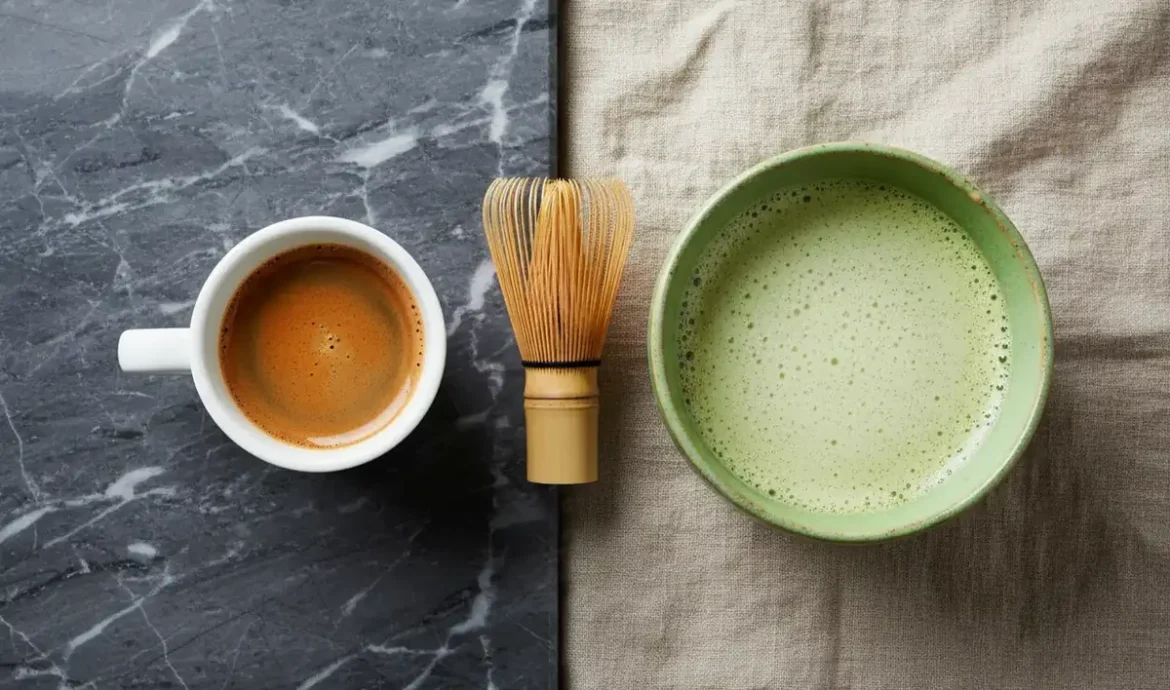
Cacao vs Matcha Capsules: Which Fits a No-Tea Routine?
If you dislike preparing tea or powdered drinks, cacao vs matcha capsules offers a practical comparison. Both products can deliver botanical ingredients in a capsule format without brewing, whisking, or mixing a beverage. However, cacao comes from tree seeds, while matcha comes from powdered green tea leaves.
These plants also contain different combinations of naturally occurring compounds. Cacao is particularly associated with theobromine and cocoa flavanols. Matcha contains caffeine, L-theanine, and tea catechins, including epigallocatechin gallate (EGCG).
Secrets Of The Tribe offers Cacao Capsules containing organic Theobroma cacao beans. Comparing that product with matcha capsules requires attention to botanical identity, preparation methods, caffeine content, and the ingredients listed on each package.
This guide explains the differences so you can choose a convenient capsule format without relying on unsupported claims about energy, absorption, or performance.
What Is the Main Difference Between Cacao and Matcha Capsules?
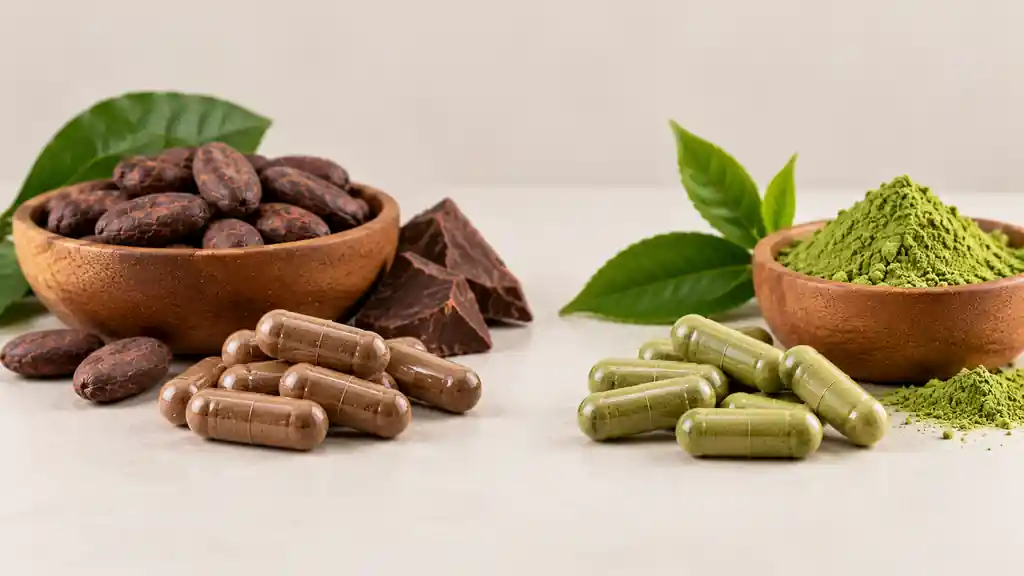
Cacao capsules contain material from Theobroma cacao seeds, while matcha capsules typically contain powdered leaves from Camellia sinensis. They belong to different botanical families and have distinct chemical profiles.
Cacao seeds are associated with chocolate production. Matcha comes from specially cultivated and processed green tea leaves, traditionally ground into a fine powder.
Cacao vs Matcha Capsules: Botanical Comparison
| Characteristic | Cacao Capsules | Matcha Capsules |
|---|---|---|
| Scientific name | Theobroma cacao | Camellia sinensis |
| Plant family | Malvaceae | Theaceae |
| Botanical material | Cacao seeds | Green tea leaves |
| Plant type | Tropical tree | Evergreen shrub or small tree |
| Traditional product | Cocoa and chocolate | Powdered green tea |
| Prominent methylxanthine | Theobromine | Caffeine |
| Other characteristic compound | Caffeine | L-theanine |
| Notable polyphenols | Epicatechin, catechin, procyanidins | EGCG and other tea catechins |
| Naturally contains caffeine? | Yes | Yes |
| Requires beverage preparation? | No, in capsule form | No, in capsule form |
| Contains tea leaves? | No | Yes |
| Automatically caffeine-free? | No | No |
This comparison describes typical plant constituents. The amounts in commercial capsules depend on processing, formulation, serving size, and whether the product contains whole botanical powder or a concentrated extract.
What Are Cacao Capsules Made From?
Cacao capsules are made from botanical material derived from the seeds of Theobroma cacao. These seeds are commonly called cacao beans, although they are not botanically related to coffee beans.
Theobroma cacao: Botanical Identity
Theobroma cacao is a tropical tree in the Malvaceae family. It is native to parts of Central and South America and is cultivated in tropical regions worldwide.
Its fruits contain numerous seeds surrounded by pulp. After harvesting, the seeds can undergo different processing steps depending on the intended product.
Cacao beans are the primary ingredient used in chocolate production, but they can also appear in powdered and encapsulated botanical preparations.
Theobromine and Caffeine
Cacao seeds naturally contain methylxanthines, including theobromine and caffeine.
Theobromine is generally the predominant methylxanthine in cacao. Caffeine is present in smaller quantities, although its concentration varies among botanical materials.
This distinction matters when comparing cacao with matcha, where caffeine is a prominent naturally occurring compound.
Cacao Flavanols
Cacao also contains a group of polyphenols commonly called flavanols.
Notable examples include epicatechin, catechin, and procyanidins. These compounds occur naturally in cacao seeds, but their quantities can change during fermentation, drying, roasting, and other processing steps.
The presence of flavanols in cacao does not establish their exact quantity in a finished supplement without product-specific testing.
What Are Matcha Capsules Made From?
Matcha capsules typically contain finely powdered green tea leaves from Camellia sinensis. Matcha is a particular form of green tea, not a separate botanical species.
Camellia sinensis: Botanical Identity
Camellia sinensis belongs to the Theaceae family. Its leaves are used to produce green, black, white, and oolong teas through different processing methods.
Traditional Japanese matcha is produced from shade-grown tea leaves that are steamed, dried, and finely ground.
The shading process influences the composition of the leaves, including their chlorophyll, amino acids, and other naturally occurring compounds.
Caffeine and L-Theanine
Matcha naturally contains caffeine and L-theanine, an amino acid associated with tea leaves.
Shading and cultivation conditions can influence their concentrations. The finished composition also depends on the tea variety, harvest, and processing.
These compounds identify important differences between matcha and cacao. Their presence alone does not establish a particular outcome from taking a capsule.
Tea Catechins and EGCG
Green tea contains several catechins, including epicatechin, epicatechin gallate, epigallocatechin, and epigallocatechin gallate.
EGCG is one of the best-known catechins in green tea research.
Cacao and matcha therefore share some broad polyphenol categories, but they have different characteristic combinations and proportions of individual compounds.
Are Matcha Capsules the Same as Green Tea Extract Capsules?
Not necessarily. Matcha powder contains finely ground tea leaves, while a green tea extract is produced through an extraction process. A concentrated extract may contain different proportions of compounds compared with whole powdered leaves.
Whole-Leaf Matcha Powder
Traditional matcha is made by grinding processed tea leaves into a fine powder.
When the powder is used in a beverage, the suspended leaf material is consumed rather than removed through straining.
A capsule filled with matcha powder can provide the same general botanical format without requiring a prepared drink.
Concentrated Green Tea Extract
Some supplements contain green tea extracts rather than ordinary matcha powder.
These products may use extraction and concentration processes to produce a preparation with a different chemical profile.
For example, a standardized extract may list a particular percentage of catechins or EGCG.
A capsule labeled green tea extract should not automatically be considered identical to a capsule containing finely ground matcha leaves.
Why the Distinction Matters
Research on concentrated green tea extracts cannot automatically establish the composition or safety profile of whole-leaf matcha powder.
The National Center for Complementary and Integrative Health notes that uncommon cases of liver injury have been reported primarily with concentrated green tea extracts in tablets or capsules.
This is one reason to check whether a supplement contains powdered leaves or a concentrated extract before choosing it.
Do Cacao and Matcha Capsules Contain the Same Polyphenols?
No. Both plants contain polyphenols, but their characteristic profiles differ. Cacao is especially associated with cocoa flavanols and procyanidins, while matcha is associated with tea catechins such as EGCG.
Overlapping Compound Families
Both plants contain compounds belonging to the broad flavonoid family.
Catechin and epicatechin can occur in both cacao and tea. However, sharing these compounds does not mean the two preparations have identical compositions.
Differences in Processing
Cacao bean processing can include fermentation, drying, and roasting. These steps can change the quantities of certain flavanols.
Matcha processing typically involves shading, steaming, drying, and grinding tea leaves.
These different processes contribute to the distinct botanical materials used in each capsule format.
What Research Cannot Establish From a Label
A product containing cacao or matcha does not automatically provide a standardized quantity of every naturally occurring compound.
Accurate comparisons require verified constituent measurements from the actual products.
The botanical name identifies the plant, but it does not replace laboratory analysis of the finished formula.
Do You Need to Drink Tea to Use Matcha Capsules?
No. Matcha capsules can provide powdered tea leaves without requiring tea preparation. This can make them convenient for someone who dislikes whisking matcha or drinking green tea.
However, matcha capsules still contain material derived from the tea plant.
This distinction matters because avoiding the act of drinking tea is different from avoiding tea ingredients entirely.
Skipping Beverage Preparation
Traditional matcha preparation involves combining powdered green tea with water and whisking it into a suspension.
Cacao beverages also require preparation, depending on the ingredients used.
Capsules eliminate these steps. They offer a pre-measured format that can fit a routine without specialized utensils or mixing equipment.
Avoiding Tea Ingredients
If you avoid tea because you dislike its taste or preparation, matcha capsules may still match your preferences.
If you want to avoid Camellia sinensis entirely, matcha capsules are not a tea-free ingredient choice.
Cacao capsules contain a different botanical species and do not require tea leaves.
Which Capsule Format Is More Convenient for Daily Use?
Both cacao and matcha capsules offer similar practical advantages when compared with prepared beverages. The main differences involve the botanical ingredients and the particular manufacturer’s formulation.
Preparation
Neither capsule format requires brewing, whisking, or mixing powder into water.
Users can follow the product’s serving instructions without preparing a separate cacao or matcha drink.
Portability
Capsules are generally convenient for travel because they do not require carrying prepared liquids or loose powders.
Keep products in suitable packaging and follow the storage instructions provided by the manufacturer.
Taste
Capsules typically minimize direct exposure to botanical flavors when swallowed intact.
This may appeal to people who dislike the bitterness of unsweetened cacao or the grassy, umami character of matcha.
However, capsules are not guaranteed to be completely tasteless.
Serving Measurements
Capsules offer pre-measured units, but the quantities vary between products.
One cacao capsule should not be assumed equivalent to one matcha capsule in botanical weight, caffeine content, or other constituents.
What Does the Cacao Capsules Product Listing Specify?
The listed Cacao Capsules contain organic Theobroma cacao raw beans as the declared botanical ingredient.
The product is offered in 60-count and 120-count bottles and is described as vegan, non-GMO, gluten-free, and sugar-free.
Its published suggested use is two capsules twice daily with food. The product also includes a batch-information system for reviewing available testing documentation.
For someone who prefers botanical supplements without preparing a beverage, cacao bean capsules without mixing a drink offer a straightforward alternative to making a cacao beverage.
Matcha capsules should be evaluated using their own manufacturer’s ingredient list and serving instructions. Their formulation, caffeine content, and capsule size may differ.
Secrets Of The Tribe favors ingredient-specific comparisons over assumptions that one capsule format provides better absorption or a particular functional advantage.
How Should You Compare Caffeine Content?
Check the actual caffeine quantity per serving rather than relying on the plant name alone. Both cacao and matcha naturally contain caffeine.
In cacao seeds, theobromine generally predominates over caffeine. In matcha, caffeine is one of the characteristic methylxanthines.
However, a comparison between finished capsules requires verified measurements and the exact serving size of each product.
Reading the Label
Look for caffeine information in milligrams per serving, when available.
Check whether the capsule contains whole botanical powder or a concentrated extract.
Considering Other Sources
Caffeine can also come from coffee, tea, chocolate, certain beverages, medications, and other supplements.
The FDA advises consumers to consider their total caffeine intake and individual sensitivity.
If you take medications, are pregnant or nursing, or have relevant health concerns, consult a qualified healthcare professional before using botanical supplements.
Checklist: Choosing Cacao or Matcha Capsules Without Preparing Drinks
A simple capsule routine begins with understanding the actual botanical ingredient. Use this checklist to compare the two formats without relying on assumptions about caffeine quantities or supplement performance.
1. Confirm the Botanical Name
Check whether the product contains Theobroma cacao or Camellia sinensis.
2. Identify the Plant Material
Look for cacao beans, powdered tea leaves, or concentrated botanical extracts.
3. Review Caffeine Information
Check for verified caffeine quantities per serving. Do not estimate the amount from general plant descriptions.
4. Examine the Ingredient List
Review capsule shell materials, additional ingredients, and any declared standardized compounds.
5. Compare Serving Instructions
Read each product’s suggested amount and frequency. Do not assume different capsules provide equivalent servings.
6. Consider Your Routine
Choose a format that fits your swallowing preferences, storage needs, and daily habits.
7. Review Individual Suitability
Consider medications, caffeine sensitivity, and relevant personal circumstances before use.
FAQ
1. What is the main difference between cacao and matcha capsules?
Cacao capsules contain material from Theobroma cacao seeds, while matcha capsules typically contain powdered Camellia sinensis leaves.
2. Do matcha capsules contain caffeine?
Yes. Matcha naturally contains caffeine. The amount in a capsule depends on the product formulation and serving size.
3. Are cacao capsules caffeine-free?
No caffeine-free conclusion should be assumed. Cacao naturally contains caffeine, although theobromine is generally its predominant methylxanthine.
4. Is matcha the same as green tea extract?
No. Matcha is finely powdered green tea leaf material, while green tea extract undergoes an extraction process that can change constituent concentrations.
5. Does cacao contain theobromine?
Yes. Theobromine is a characteristic methylxanthine in cacao seeds.
6. Does matcha contain L-theanine?
Yes. Matcha naturally contains L-theanine, an amino acid found in tea leaves.
7. Do matcha capsules require preparing tea?
No. Capsules eliminate the need to prepare a matcha beverage, although they still contain tea-derived ingredients.
8. Are cacao and matcha capsules interchangeable?
No. They contain different botanical materials and cannot be assumed equivalent in caffeine content or other constituents.
Glossary
Theobroma cacao: A tropical tree whose seeds are used in cacao and chocolate products.
Camellia sinensis: The tea plant used to produce green, black, white, and other traditional teas.
Matcha: Finely powdered green tea traditionally made from shade-grown, processed tea leaves.
Theobromine: A methylxanthine naturally found in cacao seeds.
Caffeine: A naturally occurring methylxanthine found in tea, cacao, coffee, and other plants.
L-Theanine: An amino acid naturally present in tea leaves.
EGCG: Epigallocatechin gallate, a catechin found in green tea.
Procyanidins: Polyphenolic compounds formed from flavanol units and found in cacao.
Botanical Extract: A preparation made by extracting selected constituents from plant material.
Conclusion
Cacao and matcha capsules both offer a way to use botanical ingredients without preparing a drink, but cacao comes from seeds and matcha comes from green tea leaves. Choose based on botanical identity, whether you want to avoid tea ingredients, verified caffeine content, and the specific product’s serving instructions.
Sources Used
Cacao Capsules ingredients, botanical format, product sizes, and suggested use – secrets.shop / products/cacao-capsules
Accepted botanical identity and classification of cacao – powo.science.kew.org / Theobroma cacao L.
Accepted botanical identity and classification of the tea plant – powo.science.kew.org / Camellia sinensis (L.) Kuntze
Matcha cultivation, processing, caffeine, L-theanine, and catechin composition – pmc.ncbi.nlm.nih.gov / Health Benefits and Chemical Composition of Matcha Green Tea: A Review
Matcha shade cultivation and variation in botanical constituents – pmc.ncbi.nlm.nih.gov / Matcha as a Source of Bioactive Compounds: A Review of Health-Promoting Properties and Potential Applications
Cacao theobromine, caffeine, flavanols, and procyanidin composition – pmc.ncbi.nlm.nih.gov / The Cardiovascular Effects of Cocoa Polyphenols – An Overview
Green tea supplements, concentrated extracts, and safety considerations – nccih.nih.gov / Green Tea: Usefulness and Safety
Caffeine sources, labeling considerations, and individual sensitivity – fda.gov / Spilling the Beans: How Much Caffeine is Too Much?
- Cacao vs Matcha Capsules: Which Fits a No-Tea Routine?
- Що рахувати після встановлення чату на сайті: показники, які не обманюють

- 10 закордонних магазинів: що в кожному шукати й скільки чекати

- M-GEAR — український виробник тактичного одягу, що поєднує якість, комфорт і функціональність

- Як спланувати бюджет на електронну звітність на рік: розрахунки для трьох типових компаній

- Почему хорошие подарки становятся семейными реликвиями: подарочные фляги и наборы

- Чому GGPoker не показує метод поповнення: що перевірити в Касі

- Як оживити героя легенди: технології за цифровим Чугайстром

- Капсула часу на папері: фотокнига, яку ваші діти відкриють через 20 років

- Запуск Google Ads: основні проблеми на старті і як їх уникнути

- Чому одне чаювання нудне, а інше затягує
- Аутсорсинг харчування для підприємств: коли бізнесу вигідніше передати кухню професійному оператору

- Як підготувати рекламну кампанію на білбордах без зайвих витрат

- M-Tac: український бренд одягу та спорядження для активного життя

- Курси масажу в Києві: нова професія, гнучкий графік і можливість добре заробляти